
The great majority of aquarium fish are able to withstand temperature fluctuations just as well as they would in the natural environment. At reality, even cold-water fish (such as goldfish) are capable of surviving in high temperatures for short periods of time when given the opportunity. When it comes to fish, temperature stability is more vital than it is for the majority of them. This is especially true for some marine species and certain freshwater Goodeid species.
If the temperature of the fish tank rises dramatically as a consequence of decreased dissolved oxygen levels, a faster rate of waste breakdown, or metabolic changes, any fish would be stressed to some degree. Secondly and maybe most crucially, the better your fish are prepared from the outset, the more they will be able to cope with any stressful condition, including temperature fluctuations. The fundamentals of keeping a clean environment and giving fish a diet consisting primarily of naturally occurring foods form the foundation of a robust, healthy fish (live, fresh, freeze-dried, or frozen whole food).
In preparation for the rising heat this summer, here are eight suggestions for keeping your aquarium cool and comfortable:
- You may save energy by turning off the lights and/or purchasing lighting that emits less heat, such as LED aquarium lights, to assist you in conserving your resources.
- It is necessary to cover the tank from direct sunlight in order for it to perform effectively.
- Small-to-medium-sized water changes should be carried out using water that is a couple of degrees lower than the water temperature shown on your aquarium temperature sensor, according to the manufacturer.
- Place a fan directly over the surface of the aquarium or sump so that the air is distributed uniformly throughout the whole surface area of the aquarium or sump. Remove the hood from your vehicle. The fish should be kept in an eggcrate, window screen, or mesh container to keep them from escaping. When it comes to smaller tanks, a mesh laundry bag from the dollar store may be sufficient; just make sure it is colorfast and that it has been carefully cleaned to remove any chemicals before you put it to use. The fan must be powerful in order to completely exclude the chance of it falling into the water during operation.
- A result of evaporation, water movement helps to keep the fish's habitat cold and oxygenated while also contributing in the cooling and oxygenation of the fish's surrounding environment. In comparison to colder water, warmer water has less dissolved oxygen. When dealing with fish that don't appreciate a lot of movement in the water, such as long-finned kinds, it's important to be cautious.
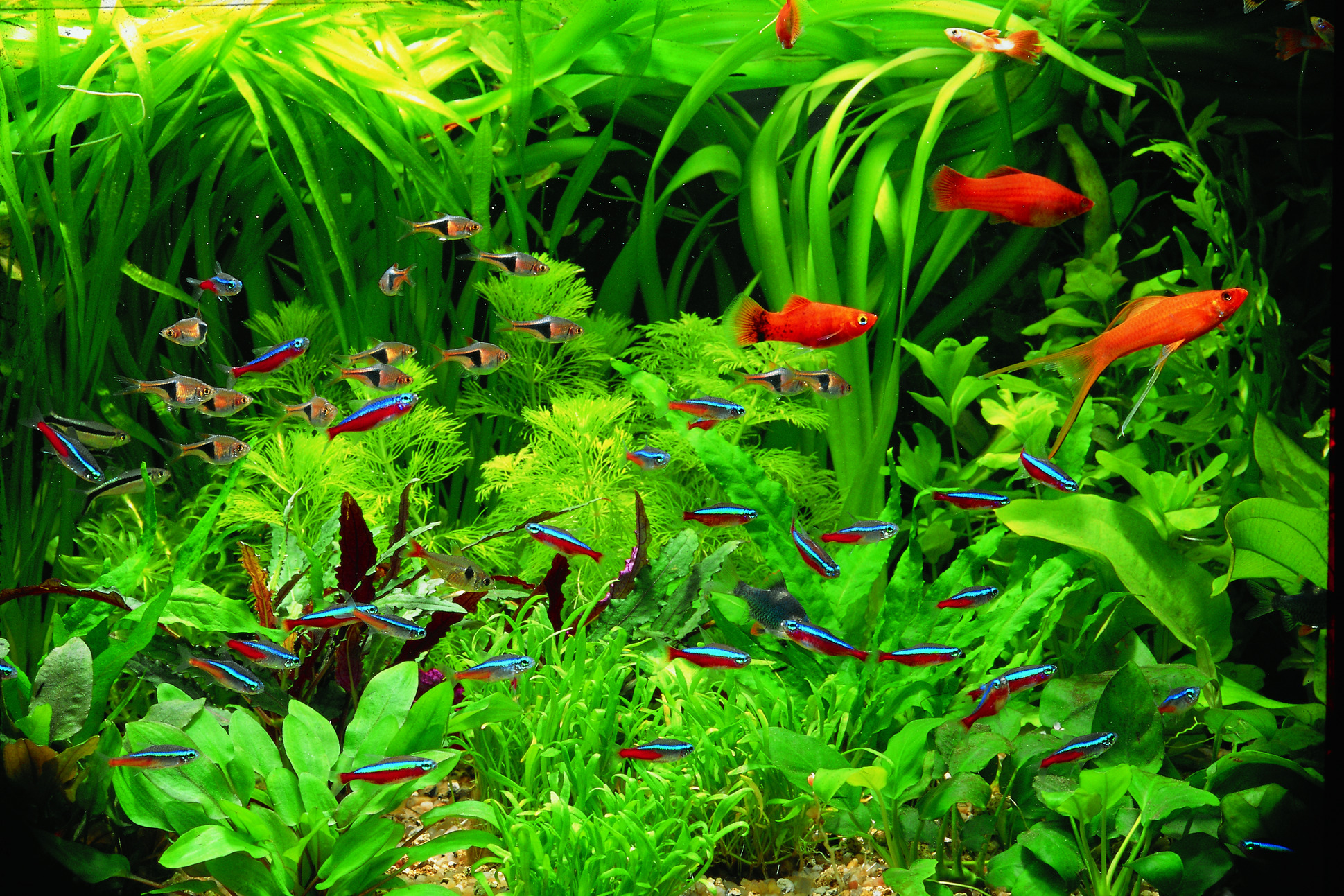
- An increase in filtration has the potential to be useful in two separate ways: first, it can reduce the amount of waste produced. In most cases, hotter water causes waste to decompose at a faster pace, which causes your bio-system to fail as a result of the higher temperature. The power of the filtering might be increased in order to avoid these complications. However, even in the face of this, we recommend that you consume less food when the weather is very hot and humid. Water flow will rise as a result of the improved filtration levels. Make sure that your aquarium is not overcrowded in order to ensure that there is adequate oxygen for everyone and that the waste does not overwhelm the bio-filter, resulting in elevated ammonia levels and a drop in the pH of your tank.
If the situation is urgent, adding frozen bottles of water (or dechlorinated ice cubes in smaller fish tanks) to the aquarium can assist in lowering the temperature of the fish tank. To avoid the possibility of unintentional contamination of the ice pack during transit, it is recommended that ice packs be carefully wrapped in a leak-proof bag prior to using them. Maintain close monitoring of the aquarium thermometer if you choose to use this strategy in order to ensure that the temperature does not drop too quickly or too drastically.
When compared to other options, acquiring an aquarium "chiller" will normally be a more expensive alternative that is often reserved for saltwater aquariums. You may be able to find an air conditioner for the same price or less, which will allow you to stay cool while also saving money in the process. When it comes to sensitive seafood such as tuna and salmon, a chiller may be very beneficial due to the superior temperature control and auto stability that it gives.
These suggestions will assist you in keeping your fish cool throughout the hot summer months. Please share your thoughts in the area provided below the main body of the article.


0 Comments